
How to measure the impact of an entrepreneurship support organisation (ESO)?
Pomona Impact Foundation is an accelerator for Central American SMEs. They used voi to measure whether its ESCALA program actually changed how 17 founders run their businesses.
- Days instead of month: Pomona Impact Foundation got a full read on 17 recently graduated companies from the ESCALA program without waiting for the next round of check-in calls.
- No external evaluator required: voi ran the interviews and scored the indicators fully ai-driven.
- Deeper understanding every score in this study comes bundled with the founder's own explanation
- Based on scientific standards: study contained acknowledged constructs for measurement rigor such as Investor Readiness (GIIN IRIS+)
- Strong impact proof: 100 Net Impact Score and 53% very or extremely clear on their financial projections
- Actionable learnings: Pitch confidence (47%) trails financial clarity (53%) – Pomona Impact Foundation already knows exactly where to point its next cohort.
Voices recorded
About
Pomona Impact Foundation, based in Antigua, Guatemala, prepares early-stage Central American businesses for investment through programs like ESCALA, which works with SMEs across food and beverage, agri-export, packaging, and coffee cooperatives on financial systems, governance, and strategic planning. Pomona Impact Foundation used voi to measure the impact of the ESCALA program across 17 companies, covering everything from financial discipline to investor pitch confidence, pairing every score with the story behind it, without commissioning a separate evaluation study.
The Challenge
Measuring what an entrepreneurship support organization changed is harder than measuring who attended it, a challenge that Pomona Impact Foundation was ready to tackle using voi.
- Understanding is not the same as delivery: The study needed to identify at which stage of readiness are the founders after participating in the program.
- Comparing unlike businesses: A coffee cooperative, a packaging plant, and a food-service company don't share the same growth bottlenecks, so a single instrument had to adapt to each without losing comparability.
- A number alone doesn't explain itself: Confidence and preparation aren't the same thing, so voi paired each self-rating with an open-ended follow-up asking founders what they'd actually done, the quantitative and the qualitative from the same conversation, not two separate exercises.
The Approach
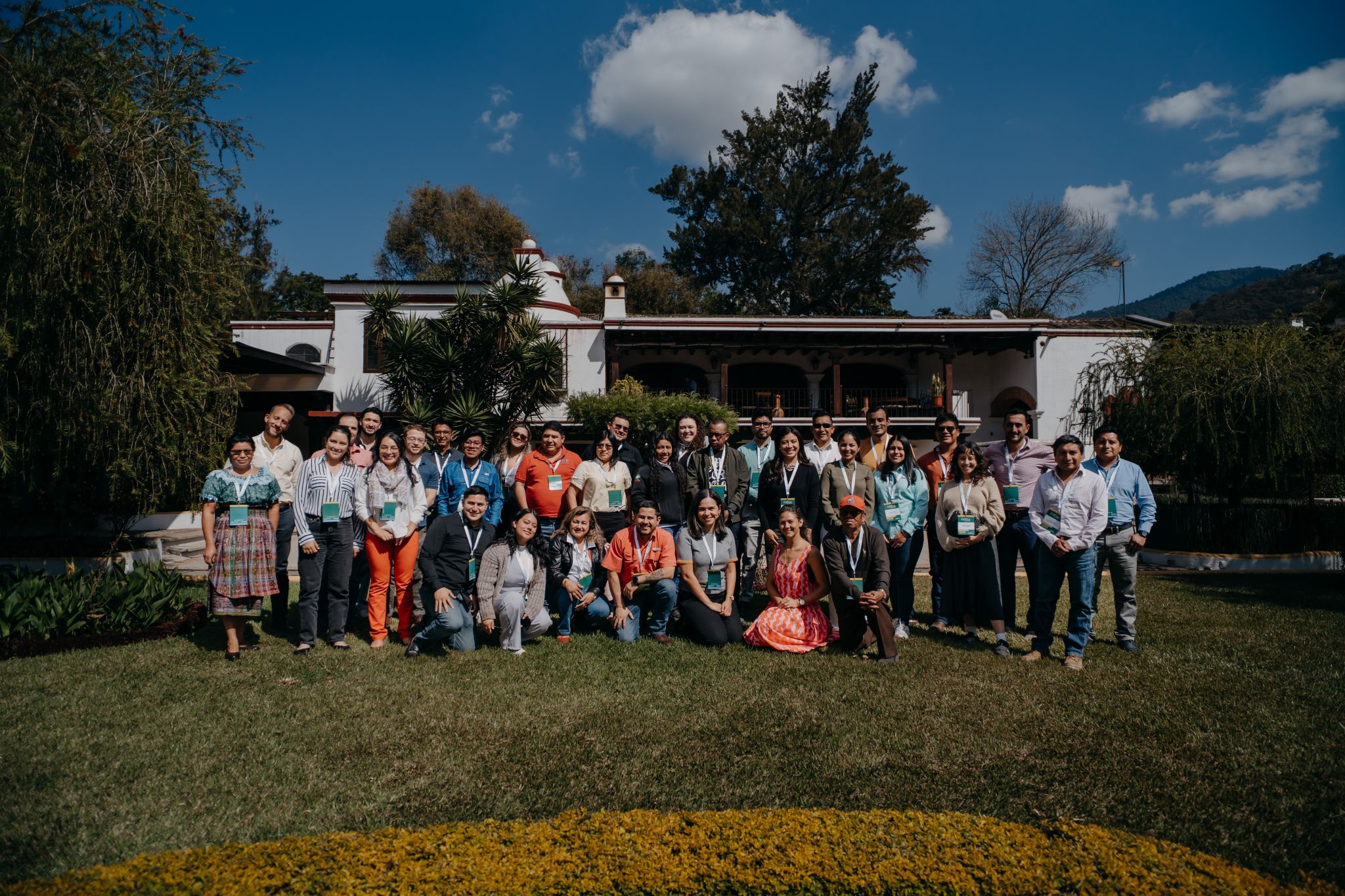
17 founders completed the study (65% male, 35% female), through interviews voi ran and analyzed in Spanish without a human moderator in the room.
- Live, adaptive follow-ups: voi asked each founder to walk through their own most concrete change, then followed up on the specifics they raised, whether that was a new costing system, a family governance shift, or a rebranded product line.
- A mix-method approach to impact: Net Impact Score, Programme Satisfaction (NPS), and a self-assessed Investor Readiness score were scored from the same interviews as the open-text stories behind them, so every number came with its own explanation rather than sitting alone.
- Run in the founders' own language: The real-time interviews were conducted and analyzed in Spanish, so founders described their own businesses in their own words and got tailored follow-up questions instantly.
Findings
The data shows an accelerator program that's landing well and one specific area where improvement potential was uncovered.
- Satisfaction is close to universal: Every one of the 17 respondents reported a positive impact from ESCALA and none reported a negative one (100 Net Impact Score), and the average recommendation score came out to 8.9 out of 10.
- The clearest wins are financial and governance: Founders described moving from no financial tracking at all to a working budget and income statement, and, in one family business, from a centralized control to a formal decision-making team.
- Digital tools as the next step: Digital transformation is the next action item: several founders flagged adopting a CRM, ERP, or online store as a priority for the next six months, a natural next step from the financial discipline ESCALA just helped them build.
- Knowledge is ahead of application for most: 35% resolved a specific growth bottleneck outright, and 53% are currently in the active process of integrating newly acquired strategic tools into their daily operations, giving them room for experimenting.
- Vision, not just bottlenecks: Several founders describe something broader: for the first time, they have a defined direction for the business instead of running it day to day.
The Way Forward
A Net Impact Score of 100 and an 8.9 recommendation score mean founders are walking away genuinely glad they came through the program. Empowered by these AI-driven insights, Pomona Impact Foundation is taking immediate action by tailoring the next cohort's pitch practice and proactively following up with the founders who flagged CRM, ERP, or online-store adoption, since they're already asking for exactly the kind of support Pomona Impact Foundation is positioned to give. And check back in with the 53% who say they're still finding ways to apply what they learned, before that momentum has a chance to cool.
Get to know Pomona Impact Foundation and support their work preparing Central American SMEs for growth and investment.
Want to know more?
Get in touch with us and and start to measure impact confidently.